Comparing Wired and Wireless Gaming Mice Available on PixelRigor
In the rapidly evolving landscape of gaming peripherals, the choice between wired and wireless gaming mice has become a pivotal decision for gamers. PixelRigor.com, a dedicated ecommerce platform for gaming accessories, offers a diverse selection of both wired and wireless gaming mice, catering to the varying preferences of gamers worldwide. This article delves into the nuances of these two categories, backed by recent market statistics and consumer purchasing behavior, to help you make an informed decision.
The gaming mouse market has witnessed significant growth in recent years. According to a report by Grand View Research, the global gaming mouse market was valued at approximately $1.2 billion in 2021 and is projected to grow at a compound annual growth rate (CAGR) of 8.5% from 2022 to 2030. This surge can be attributed to the increasing popularity of esports and the growing number of gamers seeking high-performance equipment.
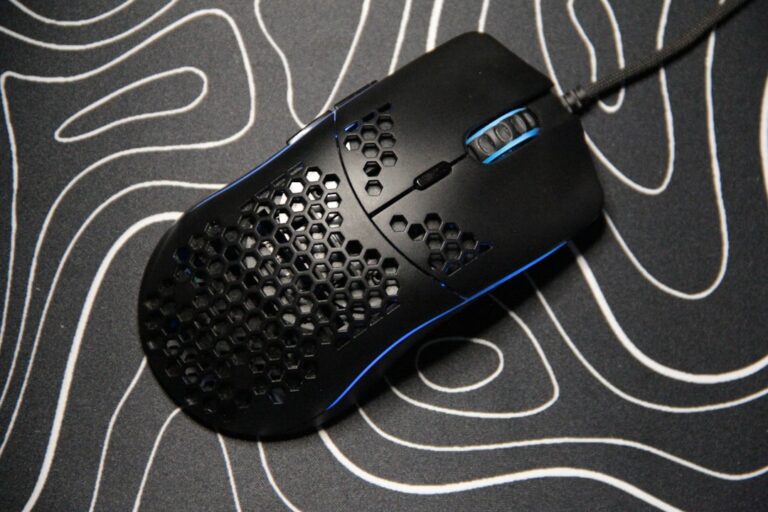
When comparing wired and wireless gaming mice, one of the most critical factors is latency. Wired mice typically offer lower latency, which is crucial for competitive gaming where every millisecond counts. For instance, many wired gaming mice boast a response time of 1ms, making them the go-to choice for professional gamers who prioritize performance. On the other hand, advancements in wireless technology have significantly reduced latency in wireless mice, with some models achieving response times as low as 2ms. This improvement has made wireless options more appealing, especially for casual gamers who value convenience.
Another essential consideration is battery life. Wired mice do not require charging, providing uninterrupted gameplay. In contrast, wireless mice rely on batteries, which can be a drawback if not managed properly. However, many modern wireless gaming mice come equipped with rechargeable batteries that can last up to 70 hours on a single charge, offering a balance between performance and convenience. For example, the Logitech G Pro Wireless, available on PixelRigor, features a battery life of up to 60 hours, making it a favorite among gamers who prefer wireless setups.
Comfort and ergonomics also play a significant role in the decision-making process. Wired and wireless gaming mice come in various shapes and sizes, catering to different grip styles such as palm, claw, and fingertip grips. PixelRigor.com provides detailed specifications and user reviews to help customers choose a mouse that fits their hand comfortably. A well-designed mouse can reduce fatigue during long gaming sessions, enhancing overall performance.
Price is another critical factor influencing purchasing behavior. Wired gaming mice tend to be more affordable than their wireless counterparts, primarily due to the absence of battery technology and wireless components. For instance, a high-quality wired gaming mouse can range from $30 to $100, while wireless models often start around $50 and can exceed $200 for premium options. This price disparity can influence budget-conscious gamers to opt for wired mice, especially if they are just starting.
Key Insight: As the gaming community continues to expand, understanding the differences between wired and wireless gaming mice is essential for making an informed purchase. With the gaming mouse market projected to reach $2 billion by 2030, the demand for high-quality peripherals will only increase, making it crucial for consumers to weigh their options carefully.
In conclusion, both wired and wireless gaming mice have their advantages and disadvantages. Wired mice offer superior performance and reliability, while wireless mice provide freedom of movement and convenience. PixelRigor.com stands out as a reliable source for gamers looking to explore both options, offering a wide range of products that cater to different preferences and budgets. By considering factors such as latency, battery life, comfort, and price, gamers can make a choice that enhances their gaming experience and aligns with their individual needs.